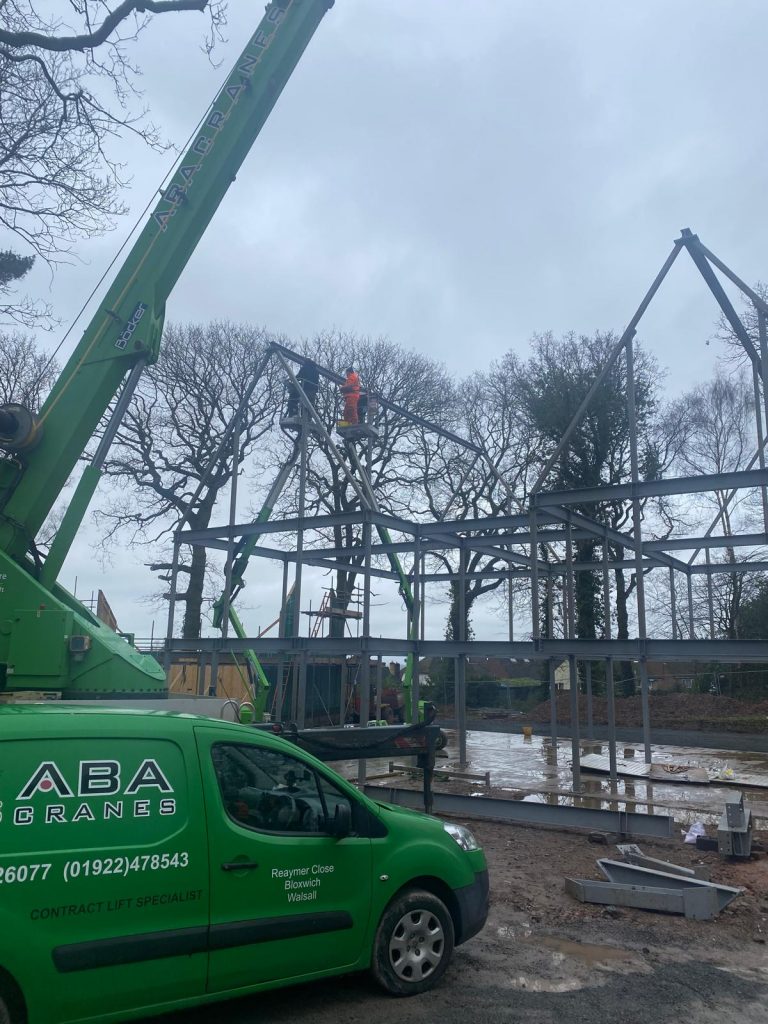
What to Know Before Ordering Steel Beams in Walsall

Introduction: Thinking About Ordering Steel Beams in Walsall?

Whether you’re a homeowner planning a loft conversion or a local builder tackling an extension project, ordering steel beams in Walsall might feel like a small task on your list. But if you’ve never done it before, you’ll quickly realise that there’s more to it than just picking a size and placing an order.

From navigating structural drawings to making sure your site is ready for delivery, there are quite a few practical considerations. This blog is here to help you understand what’s involved so that you can approach your next job with confidence.

Let’s take a closer look at what’s important to know when sourcing steel beams locally in Walsall, especially if you’re working on smaller residential builds or independent trade jobs.

Why Do So Many Home Projects in Walsall Require Steel Beams?

If you’re working in domestic construction in the Walsall area, there’s a good chance you’ve dealt with RSJs before. These beams are everywhere in local builds for a reason: they’re strong, relatively compact, and ideal for supporting structural changes.

Some common uses include:

-Loft conversions: Supporting new floor levels in roof spaces
Single-storey extensions: Carrying the weight of external walls or roofs
Internal wall removals: Replacing load-bearing walls with RSJs for open-plan living

Walsall’s housing stock features a mix of Victorian terraces, interwar homes, and newer developments; many of which weren’t originally designed with open-plan layouts in mind. That’s why beams are often needed when homeowners want to modernise their spaces.

See RSJ Beams | See Loft Steel Beams

What Are the Benefits of Using a Local Steel Supplier?

It’s tempting to go online and order from a national supplier, especially if you’re price hunting. But when it comes to structural materials, working with a local fabricator in Walsall can be more efficient and less stressful.

Here’s why:

-Speed: Local suppliers can often turn around quotes and fabrication faster
Communication: Easier to pick up the phone and talk through any issues
Site knowledge: Familiarity with Walsall’s neighbourhoods helps with logistics
Support: Easier to sort out small problems before they become big ones

Having someone nearby can make a huge difference when you’re dealing with a tight schedule or need a quick adjustment. It’s also reassuring to know who you’re working with.

See Our Steel Manufacturing & Installation Service

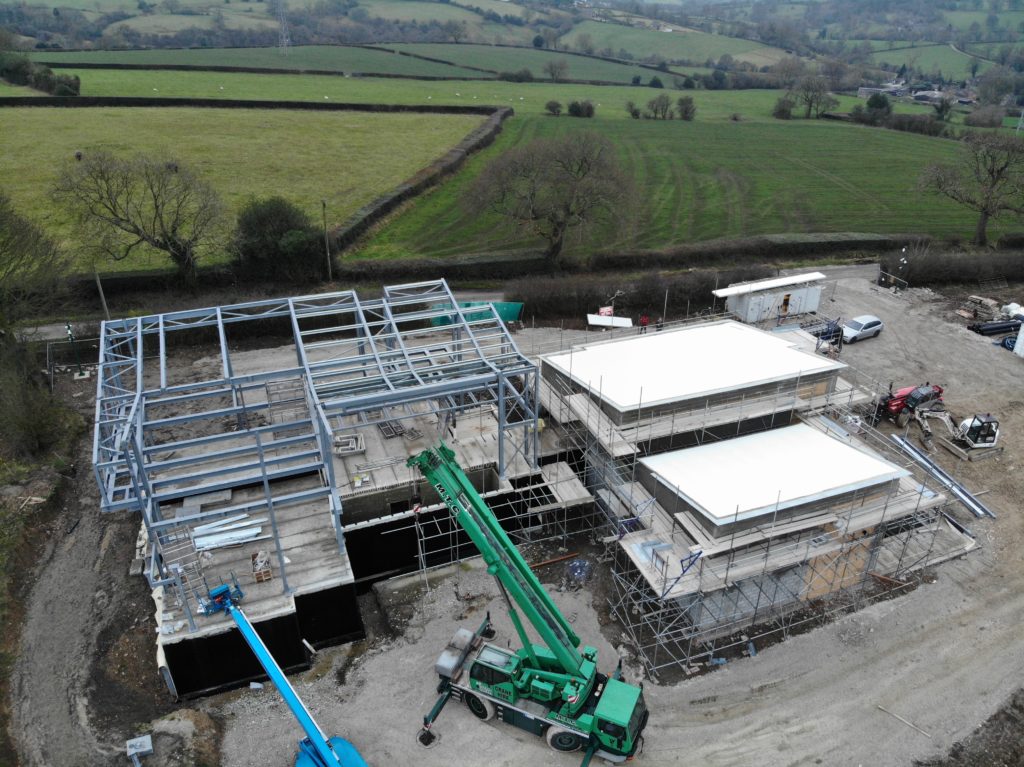
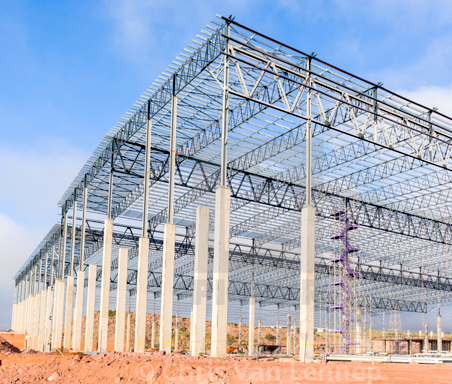
created by dji camera

What Should You Check Before Ordering Steel Beams?

You don’t need to be a structural engineer, but it helps to understand a few key things when placing a steel order. Here’s a breakdown of what you should know ahead of time:

1. Beam Specifications

Before ordering, make sure you know:

-The exact length and dimensions of the beam
-The type of steel section (e.g. RSJ, UB, UC)
-The load it needs to carry, based on your structural engineer’s design

Don’t guess these measurements; steel beams must be precise to ensure safety and compliance.

2. Finishing Options

Depending on the project, your beam might need to be:

-Primed or painted to protect against corrosion (especially in damp areas)
Drilled for fixings or plates
Cut to specific angles for fitting

Discuss these options when getting your quote to avoid delays later.

3. Access and Delivery

This one often gets overlooked. Ask yourself:

-Can a lorry access the site?
-Are there any parking or unloading restrictions?
-Do you have a plan for getting the beam into the building?

If you’re working in a terraced street or tight cul-de-sac, let your supplier know. Many issues can be avoided with a simple phone call in advance.

4. Timing and Lead Time

Most beams can be fabricated and delivered within a few days. However, painted or drilled beams take longer. If you’re working to a tight programme, factor this in and plan ahead.

What Should You Expect When Ordering Steel from a Walsall Supplier?

Here’s how the process typically goes when ordering locally:

1, Get a quote: Send in your drawings or beam specs

2, Confirm details: Clarify finishes, delivery date, and payment

3, Fabrication: Steel is cut and prepped in-house

4, Delivery: Beams arrive on-site with notice

Many fabricators in Walsall are used to working with builders on small to medium projects, so they’re flexible and experienced with tight spaces and tricky deliveries.

If something changes last minute (like a beam size or delivery window) having a local contact means you can often adapt without too much stress.

Common Questions About Steel Beam Orders

Do I really need to prime or paint the beam?

It depends on where it will be used. In internal dry environments, it might not be necessary. In humid or exposed areas, a primed finish helps prevent corrosion. Ask your builder or supplier if you’re unsure.

Can I collect the steel beam myself?

Yes, as long as you have the right transport and equipment. Check the length and weight of the beam before turning up, and make sure you can load and secure it safely.

What happens if the engineer changes the beam size?

If fabrication hasn’t started, it’s usually easy to amend. Once it’s cut or drilled, you may need to reorder. Always double check plans before placing your order.

Final Advice for Walsall Builders and Homeowners

Double check everything: It’s always worth confirming sizes and finishes before fabrication starts

-Leave room in your schedule: Delays often come from site issues or late design changes

-Communicate early: The sooner you involve your supplier, the more they can help

-Use a supplier who understands your area: Local expertise matters, especially when dealing with hard-to-access homes or short project timelines

Steel might seem like one of the simpler parts of a build, but getting it wrong can cause serious delays and extra cost. Take a bit of time to get it right, and you’ll save yourself a lot of hassle down the line.

Want Help Ordering Steel Beams in Walsall?

If you’re planning a project that involves structural steel, it’s worth having a quick conversation with someone who does this every day. A local fabricator can help you avoid common pitfalls and make sure everything arrives when you need it.

Got a question or want a quick quote? Process Steels Limited has been supplying beams across Walsall and the Midlands for over 25 years. We’re happy to talk through your project, no obligation.

Call: 0121 526 5757 | Contact Us

How to Plan for Structural Steel in Loft Conversions: A Guide for Builders and Trades

Introduction: Why Loft Conversions Depend on Structural Steel

If you’re a builder or tradesperson working on residential renovations, chances are you’ve encountered a loft conversion project. These are increasingly popular across Birmingham and the Midlands, offering homeowners a cost-effective way to expand their living space without moving house.

But here’s the catch: most loft conversions need structural steel. Whether it’s RSJ beams or universal beams, steel is essential for supporting the new floor structure and ensuring everything meets building regulations. Getting this right from the start can save you time, cost, and compliance headaches down the line.

This guide walks you through what you need to know as a builder or trade professional when planning for steel for loft conversions, from design to delivery.

When Should You Involve a Steel Fabricator?

A common mistake is waiting too long. Ideally, you should speak to a fabricator before final drawings are submitted. This gives you a clearer idea of what’s possible in terms of beam sizes, delivery lead times, and site access.

Fabricators can also help identify any potential issues early, especially if beams need to be drilled, cut, or treated in a particular way.

Quick tip: If you’re relying on a structural engineer for calculations, loop in your chosen fabricator once these are drafted.

Browse Our Services | Read About Our Loft Steel

What You Should Prepare When Requesting a Quote

Getting a fast, accurate quote depends on the information you provide. The more details you include, the smoother the process.

Here’s what to have ready:

-Dimensions of each beam (length, width, depth)
-Load details from your structural engineer
-Site access notes (Are there stairs? Tight corners? Limited parking?)
-Whether the beams need priming, painting, or pre-drilling

You can include sketches, CAD drawings, or even photos of the site. Most fabricators, including Process Steels Limited, are happy to work with builders to ensure accuracy.

How Long Does Steel Fabrication Take?

Typical turnaround for loft conversion steel is 1 to 3 working days for standard RSJ beams. That can vary depending on:

-Current order volume
-Size and complexity of the beams
-Whether any finishes or fabrication extras are needed

If beams need to be delivered across Birmingham, Walsall, or the wider Midlands, allow extra time for logistics, especially on tight or residential streets.

Delivery Tips for Small or Domestic Sites

Smaller jobs come with their own challenges: limited access, no crane on site, or deliveries in busy residential areas. Here are a few tips:

-Check access height and width for delivery vehicles
-Be clear about unloading options (Will someone be on site with lifting gear?)
-Consider how beams will be moved into the property once delivered

Working with a local supplier can make this easier. Process Steels delivers across Birmingham and the Midlands, and understands the challenges of small-scale sites.

Helpful Terms to Know as a Builder

You don’t need to be an engineer, but knowing a few key terms helps when discussing options:

RSJ (Rolled Steel Joist): Commonly used beam in domestic builds
-UB (Universal Beam): Similar to RSJ but with different load characteristics
-UC (Universal Column): More compact, vertical support beam
-CAD Drawings: Used for accurate fabrication
-Priming: Protective coating applied to beams before installation
-Pre-drilling: Having holes made for bolts/fixings during fabrication

Final Tips: Why Planning Ahead Saves Time and Cost

Leaving steel to the last minute is a common pitfall, especially for smaller companies juggling multiple projects. But with a bit of forward planning, you can:

-Avoid delays in delivery and approval
-Reduce on-site installation time
-Improve safety and compliance

Most importantly, you’ll reduce stress on your team and your client.

Speak to a Steel Fabrication Expert Before You Start Your Loft Conversion

If you’re working on a loft conversion in Birmingham or the Midlands, planning your steel supply early can make all the difference. For accurate fabrication, expert advice, and fast delivery, contact Process Steels Limited today for a no-obligation quote.

Get In Touch Now

Process Steels are proud to be working in conjunction with Lees Builders…

Process Steels are proud to be working in conjunction with Lees Builders on the bigger domestic projects.

Lees Builders have over 30 years’ direct building experience, working on domestic projects, also undertaking installation work to do a complete job!

Contact Steve on:
t:  01922 258888
m:  07944 705762
e:  info@leesbuilders.uk

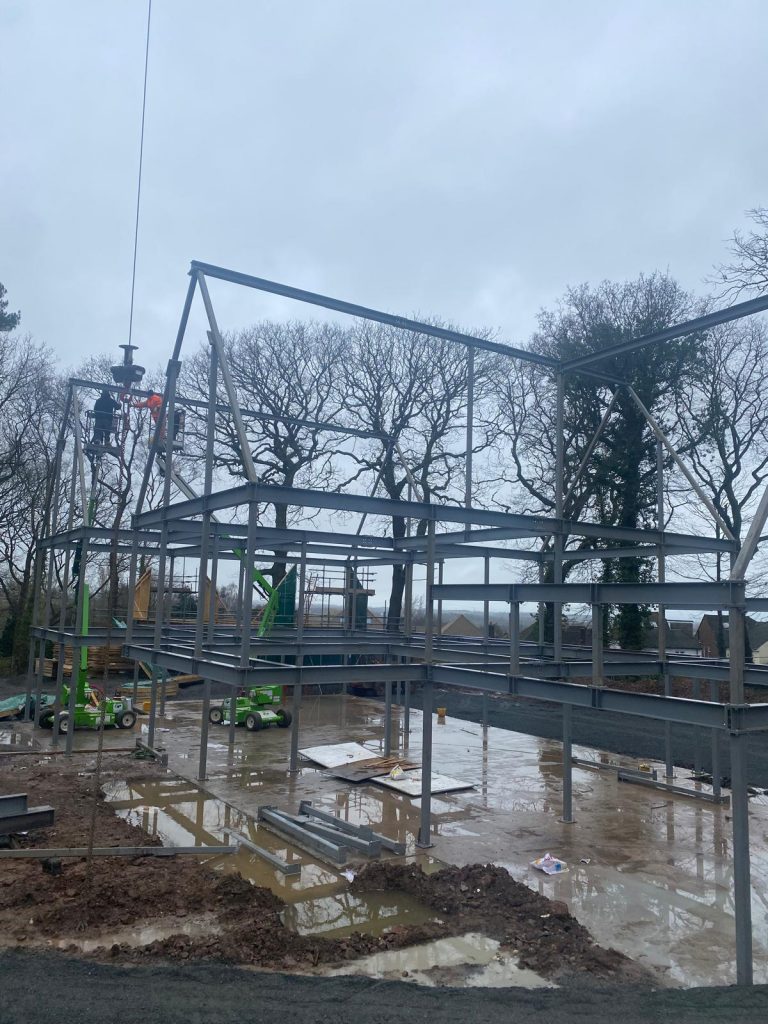
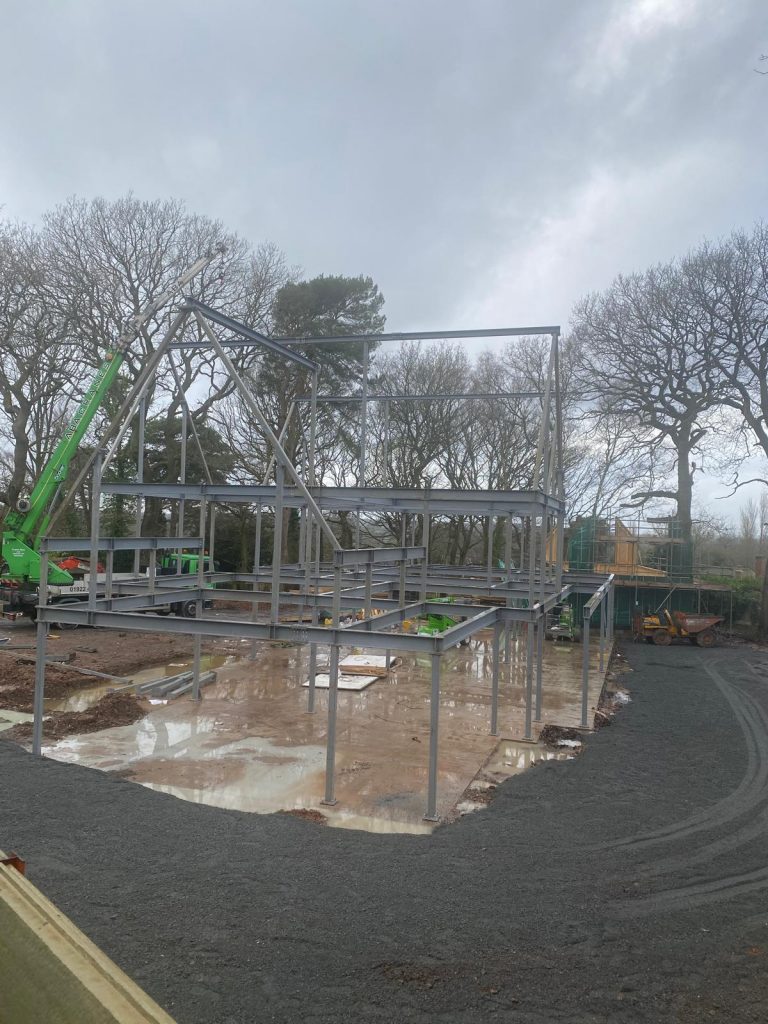
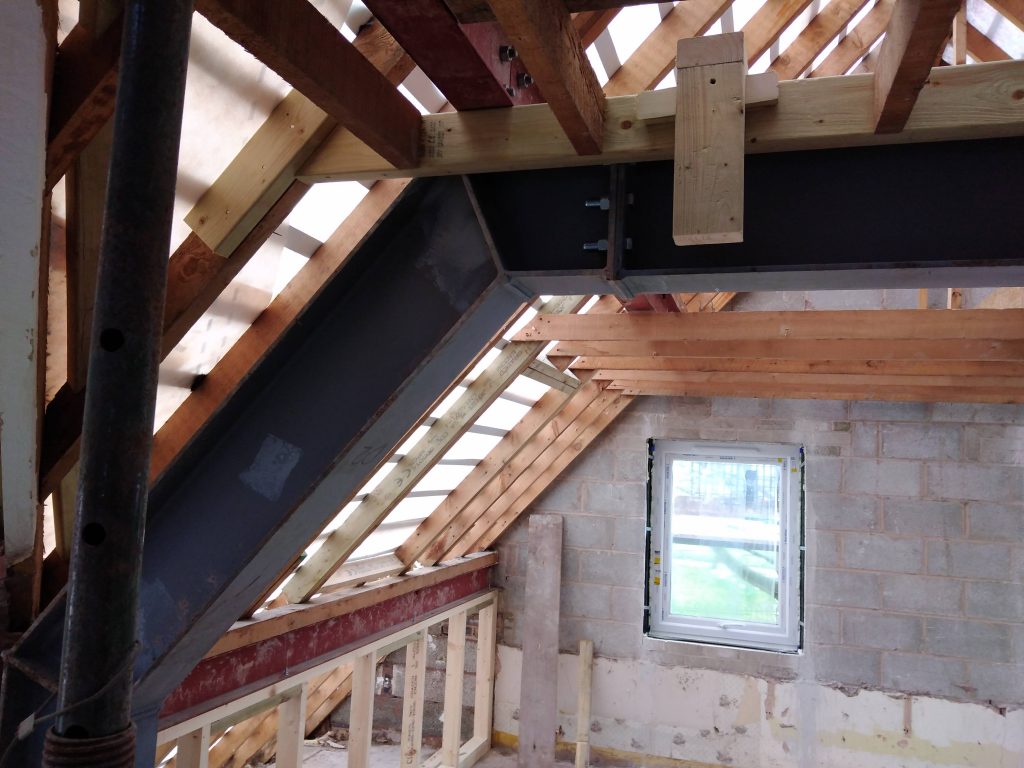
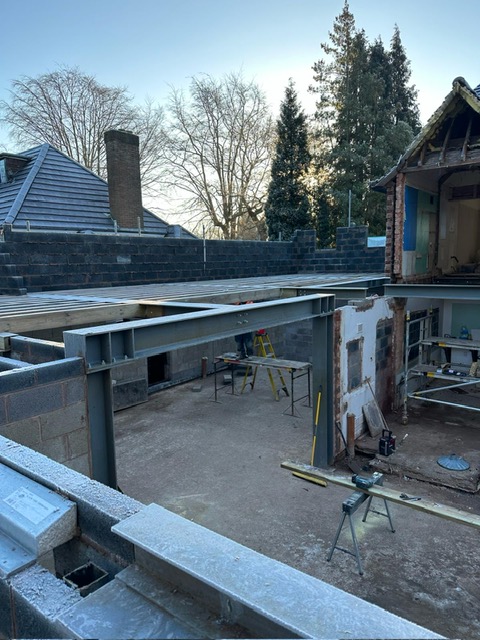
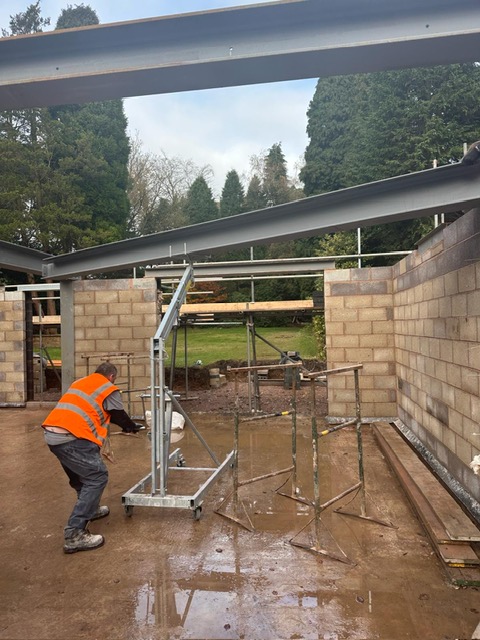
Here are some pictures of a recent project, with all fabricated steels supplied by Process Steels.

Chris’s 20th Year Celebration

This week we are celebrating Sales Manager Chris Cork’s 20th year with Process Steels!

Being an avid cycling enthusiast, instead of the traditional watch, he’s been given some top of the range cycling shoes for his upcoming events!

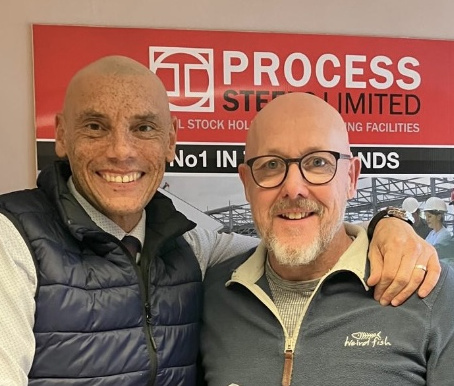
Chris standing with Managing Director, Dave Coke.
Here Chris is with Managing Director Dave Coke.

REGULATION & COMPLIANCE – CE MARKING FOR STEEL FABRICATORS

Manufacturers of fabricated structural steelwork are now by law required to CE mark their products. Process Steels are proud to have CE marking across all of the steel we manufacture and are one of the only companies in the UK to have adopted the process.

You can click the image below to read more below on the CE marking regulations.

Process Steels Achieve C.E Accreditation For Steelwork

As you know, we introduced a factory production control system last November, allowing us to fully trace our products throughout our manufacturing process. This took us one step closer to becoming C.E. certified and we are now extremely excited to announce that we have achieved C.E accreditation.

What Does C.E Accreditation Mean?

Receiving official accreditation allows us to further assure our clients that we are a trust-worthy and safety cautious company that actively passes our materials through a number of safety checks before placing a C.E marking and being sold.

Why Is Accreditation Important?

Being C.E certified also ensures that our marked products are environmentally friendly without compromising on the quality. Further to this, our new accreditation allows us to trade wholly throughout Europe, enabling us to offer our fantastic products further afield.

We at Process Steels are fully committed to customer satisfaction and promise to continually ensure that your experience with us results is 100% customer satisfaction from the initial discussion of your needs straight through to project completion.

It is extremely important that you only purchase products from a company that is C.E certified, as it is now a legal requirement that all companies comply with European regulations.

THE LEGALITIES OF BUILDING A WAREHOUSE

Building a new warehouse is likely to be a huge project, so it is essential that you are aware of all the ins and outs of a project of this kind before work begins. Knowing the legalities surrounding the build of a new warehouse is of course vital, so we at Process Steels thought we’d provide a little guidance.

New legislation came into force in England regarding planning permission for warehouses on April 6th, 2010, which stated that planning permission would not be required if the following conditions were met;

– For new industrial buildings and warehouses, no building can be higher than 5 metres if it is situated within 10 metres of the curtilage boundary. In other circumstances, no new building should exceed the height of any existing building that is within the curtilage boundary or 15 metres of the new build, whichever is lower.

– Gross floor space for any new building should not be more than 100 square metres.

– Up to May 30th 2016, no new building should have a gross floor space of more than 200 square metres if it’s to be built on outside designated land, or on any site of special scientific interest.

There are also specific rules regarding altering or extending current warehouses and industrial buildings. Any changes shouldn’t result in a building’s height being increased by 5 metres if it’s in a range of 10 metres of the curtilage boundary. When this is not applicable, no alteration or extension can be higher than the height the building before the changes were made.

Some of the regulations that are applicable to all include the following:

– Listed buildings are protected and no development can take place within the curtilage of this type of property.

– When extensions, alterations or new buildings are planned, the materials used should have a similar appearance to the existing building or those in the area.

– Developments are not permitted if they result in a reduction of space for parking or turning vehicles.

If uncertain, it’s always advisable to seek advice from your local planning authority.

Offering a service that is quick, reliable and efficient, we are the Midlands leading supplier of top quality steel products to the construction industry, including that which can be used in the build or extension of new and existing warehouses. Specialising in RSJ beams and steel staircases, please call us on 0121 526 5757 or browse our website for more information where you’ll also be able to view our informative video and make use of our contact form.

DESTRUCTION TO CONSTRUCTION: ALL YOU NEED TO KNOW ABOUT ONE WORLD TRADE

Its predecessors were undoubtedly two of the most iconic high-rise buildings in the world, towering over New York City as a mark of some of the most significant architectural and economical achievement in the Western world.

At the time, the original World Trade Centre towers were pioneering, innovative and were designed to be a world-famous landmark for generations. Unfortunately, this was short lived; just 30 years after both towers were officially opened, the years of design, planning and construction were destroyed in just seconds as those towers came down on September 11th 2001 – taking the lives of thousands with it..

As both a memorial and as a beacon of growth out of tragedy the construction of One World Trade, the replacement tower, began in 2006 and now just shy of seven years later the building is ready to go. With years of planning and design having gone into this building, it’s steeped in architectural prowess as much as it is in history.

We’ve put together this infographic with everything you need to know about the construction of this unbelievably iconic building – from its design through to its uses on opening. (Click image for full-sized infographic).